2007: Good, Bad, and Ugly
In the final lawless days of the mid-aughts, familiar faces try on new hats

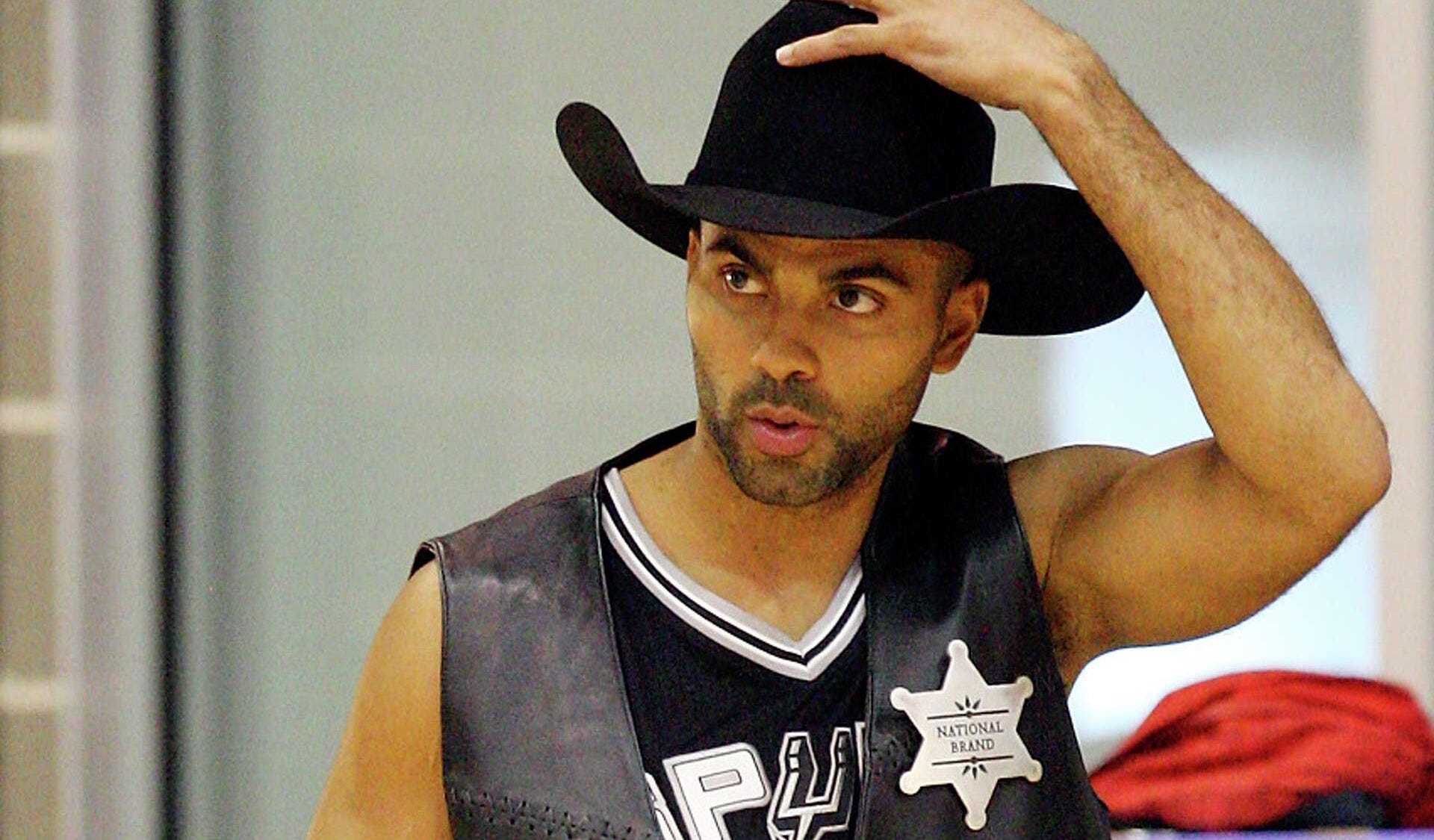
I went through my obligatory western phase sometime in my late teens, thanks to a combination of catching Tombstone on TBS for the first time and receiving the Dollars trilogy DVD box set for Christmas. To that point, my understanding of the genre had been simplistic, more in line with the classics of the ‘40s and ‘50s where morality was as black-and-white as the hats worn by the villains and heroes respectively. But the protagonists at the center of these movies didn’t fit that mold: Val Kilmer’s Doc Holiday spends most of Tombstone talking shit at the poker table and drinking himself to death, while Clint Eastwood’s squinty, cigarillo-chomping drifter with no name is motivated less by any sense of justice than by fists full of dollars. These revisionist and spaghetti westerns muddied their characters with an ambiguity much more true to real life on a largely lawless frontier, with no wardrobe department on hand to aid in discerning good from evil.
Coincidentally, basketball around that time felt similarly adrift. The decade had started as a straightforward moral choice between the evil empire the Lakers had built in Los Angeles and whoever was brave enough to stand in their way. Since the dissolution of that dynasty however, the league had been wandering in the narrative desert, with the winds of change blowing new storylines and characters in and out of frame like tumbleweeds—Steve Nash’s “seven seconds or less” Suns came and went without a Finals appearance, the newly minted Miami powerhouse quickly crumbled into dust as its brittle stars couldn’t stay on the court. The next class of stars headlined by LeBron James and Carmelo Anthony had yet to fully arrive, while established MVP talents like Kobe Bryant and Kevin Garnett were wasting their best years on subpar teams. Entering the 2007 season, the plot was murkier than ever, giving a budding western aficionado something familiar to grapple with: some good, some bad, and definitely some ugly.
The Good
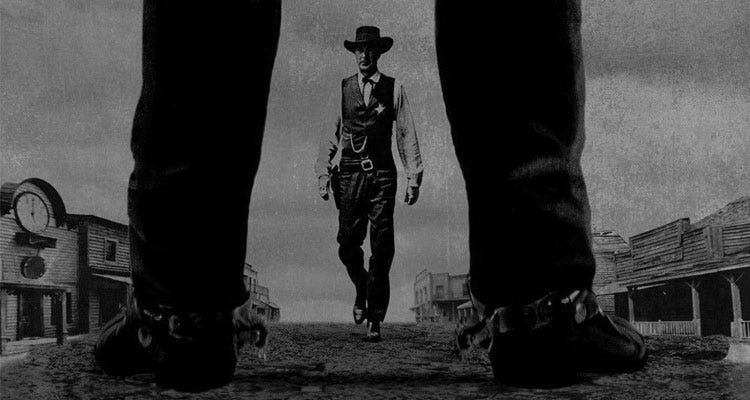
Many classic westerns riff on the theme of one righteous man cleaning up a town plagued by outlaws, but perhaps no movie emphasizes, bolds, and capitalizes ONE RIGHTEOUS MAN like 1952’s High Noon. Gary Cooper plays Marshal Will Kane on the precipice of retirement, preparing to ride off into the sunset with Grace Kelly. His plans are disrupted when he learns Frank Miller, a dangerous criminal he’d put behind bars, has been released and is due to arrive in town with his gang for revenge at high noon. For most of the runtime, Kane searches the town for anyone willing to stand and fight with him. The judge who convicted Miller flees. His own deputy quits. When Miller and his gang finally roll into town, Kane alone goes out to meet them. He guns them down one-by-one, drops his badge with a resounding thud, takes one last withering look at the cowards who’d left him out to dry, and leaves town for good.
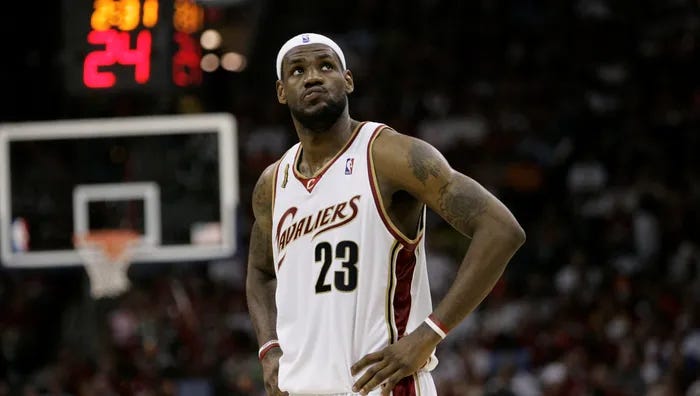
LeBron James rolled into Cleveland as a teenager in 2003 and immediately shouldered the hopes and dreams of a championship-deprived city. Year-by-year, he cleared one hurdle after the next—Rookie of the Year in ‘04, All-Star in ‘05, MVP candidate in ‘06—but to mount his first deep playoff run, surely he’d need help. Larry Hughes, the versatile young shooting guard the team had paid handsomely to be LeBron’s sidekick, disappeared completely in the series, averaging a paltry 7 points with as many turnovers as assists. The longest-tenured Cavalier Zydrunas Ilgauskas had been waiting a decade to play meaningful playoff basketball, but his body was already betraying him at only 31 years old.
In Game 5 of a tied Conference Finals series with brutally thin margins, LeBron took matters into his own hands, scoring 25 straight points for the Cavaliers in a double-overtime win that paved the way for Cleveland’s first Finals appearance ever. He wasn’t quite ready to shed his jersey and leave his useless teammates in the dust (though the seeds of his eventual exit may have been planted here), but his “one righteous man” playoff run was exactly what the league had been missing from its protagonists: uncomplicated heroics.
The Bad
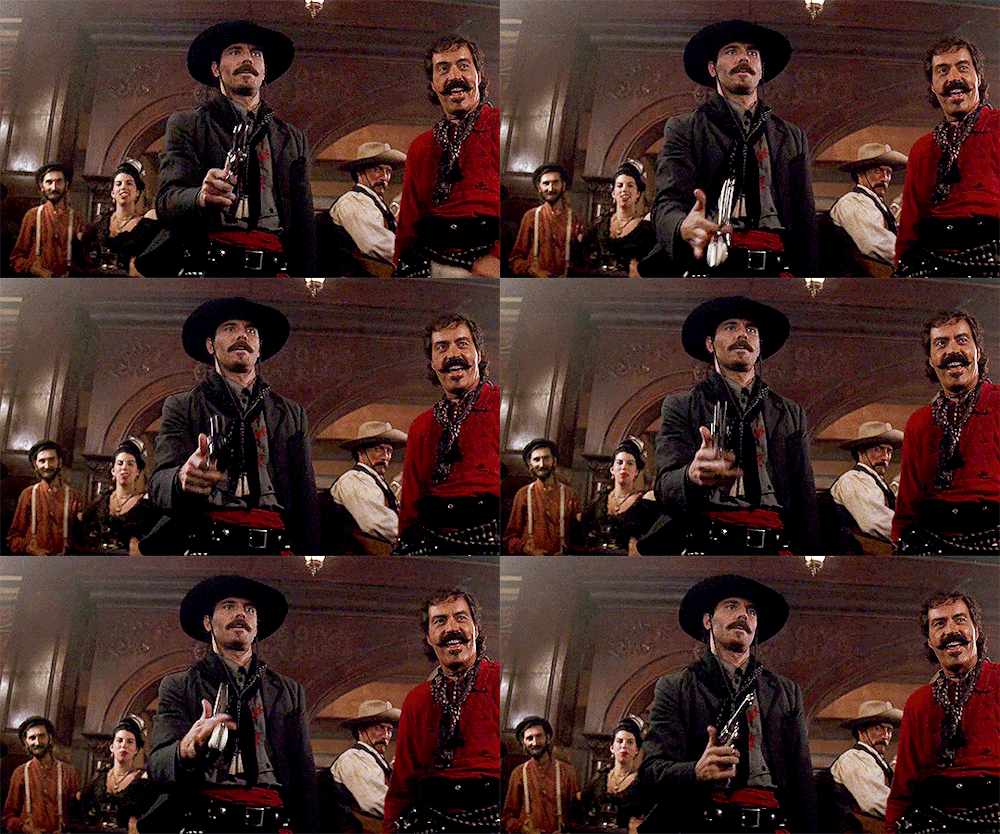
The most dangerous outlaws in western filmdom are deadly shooters with incredible technical skill, able to take any challenger down in a duel or intimidate them from even trying. Tombstone’s big bad is Johnny Ringo, his incredible pistol work remaining a parlor trick and largely theoretical threat until the movie’s climactic duel, in which Doc Holliday—a recently bedridden consumptive—confronts the “deadliest pistoleer since Wild Bill” as a heavy underdog. Yet it’s here we see the fragility of life in the Wild West—a world in which a seemingly invincible gunner can be shot dead in an instant, too high-strung to deliver in that high-pressure situation.
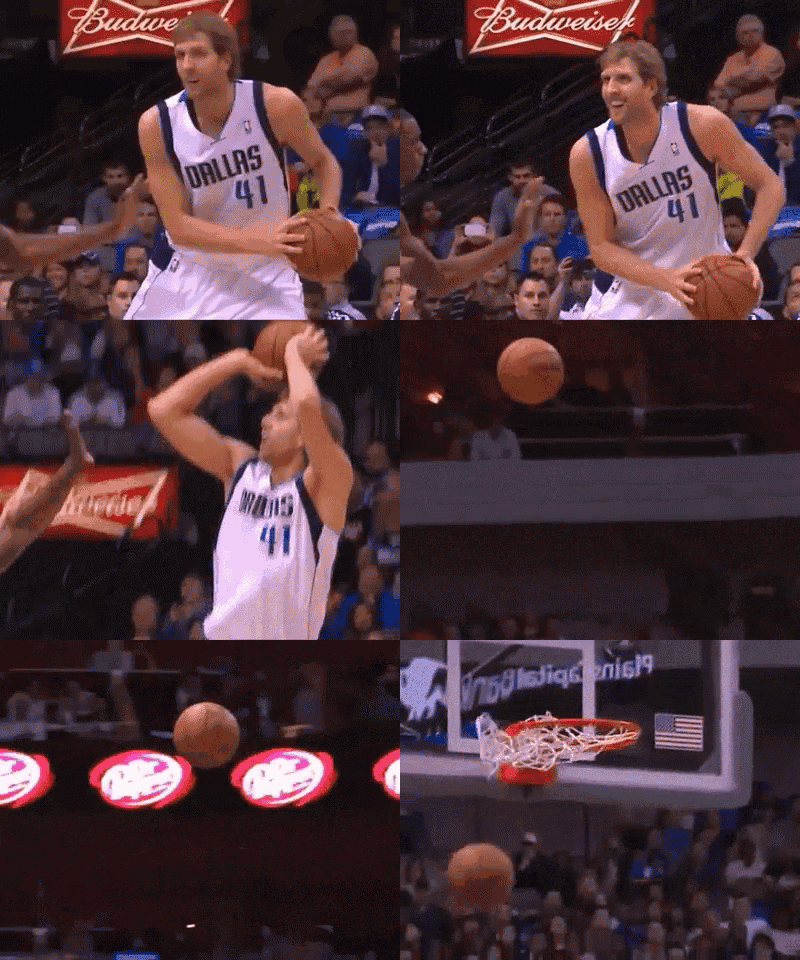
The most dangerous shooter in basketball’s mid-aughts was Dirk Nowitzki. A member of the rarified 50/40/90 club (making more than 50% of his shots, 40% of his three-pointers, and 90% of his free throws), he also happened to be seven feet tall and impossible to block. In 2007, Nowitzki was named league MVP after leading the Dallas Mavericks to a franchise record 67 wins, entering the playoffs as the team to beat. Receiving far less fanfare were their first round opponents: an 8-seeded Golden State Warriors team that thrived in chaos. Whether it was a bad matchup, the pressure of championship expectations, or just plain nerves, Dirk’s shooting became erratic, and those vaunted percentages plummeted to 38/21/84 (there’s no club for this). The Warriors knocked Dallas out in six games that weren’t even particularly close—the first 8-over-1 upset since shifting the format to a seven-game series in 2003. It only took one round for the NBA’s deadliest shooter to be left in the dirt.
The Ugly
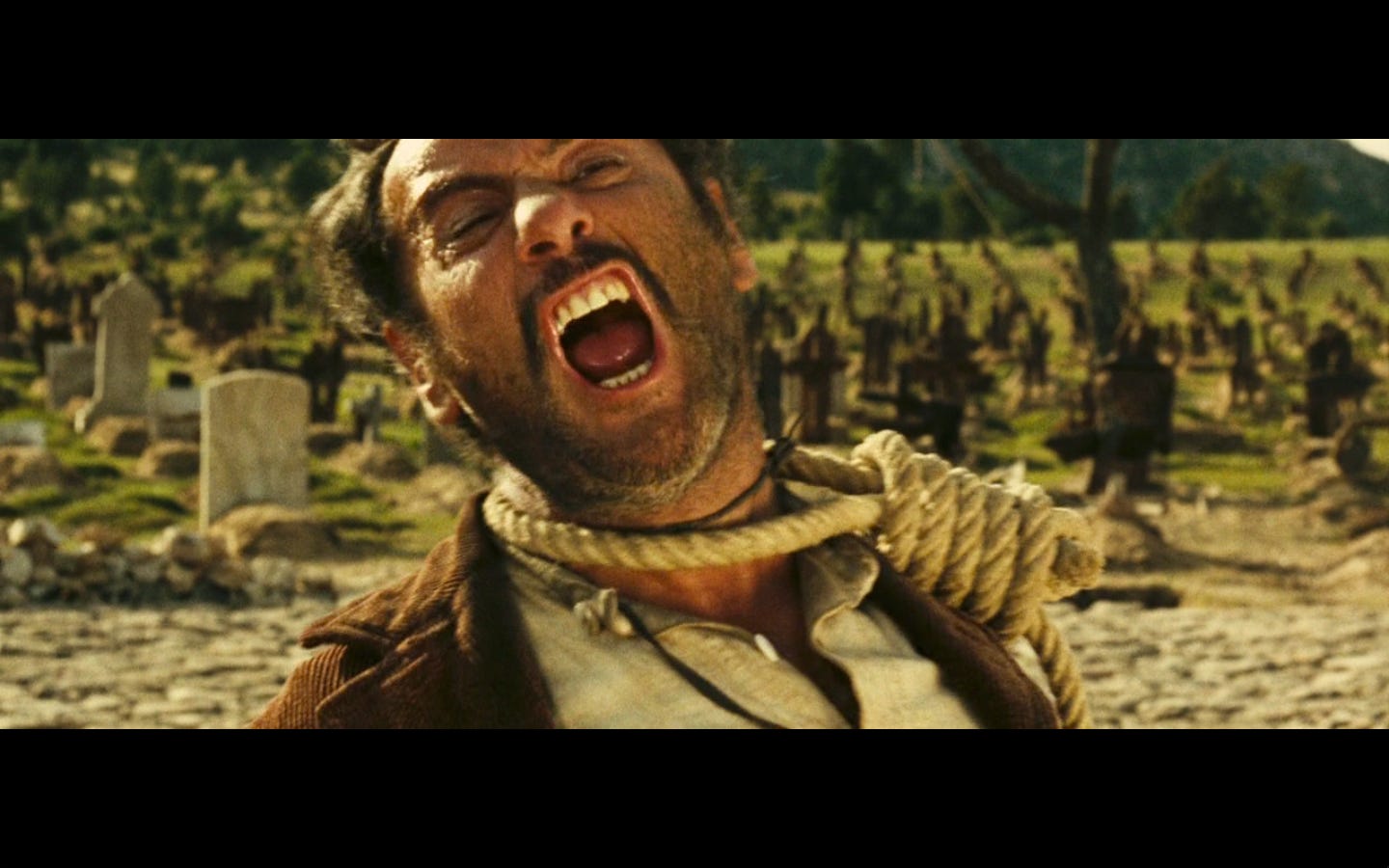
Good, bad, and ugly are relative terms in the conclusion to Sergio Leone’s Dollars trilogy. Blondie (Clint Eastwood) is introduced as “The Good” despite sharing the same selfish motivation—$200,000 in stolen Confederate gold—as the titular “Bad” and “Ugly” and a willingness to bend morality along the way as needed. The film’s iconic denoument isn’t a duel between good and evil, it’s a three-way standoff with confused eyes darting between targets as tension builds alongside Ennio Morricone’s wailing score. Sure, Blondie may be greedy, opportunistic, and treacherous, but by film’s end, he’s gunned down the bad guy, freed his partner Tuco from a noose (for the third time), and split the buried treasure with him 50/50. If he’s not Good, he’s at least Good Enough.
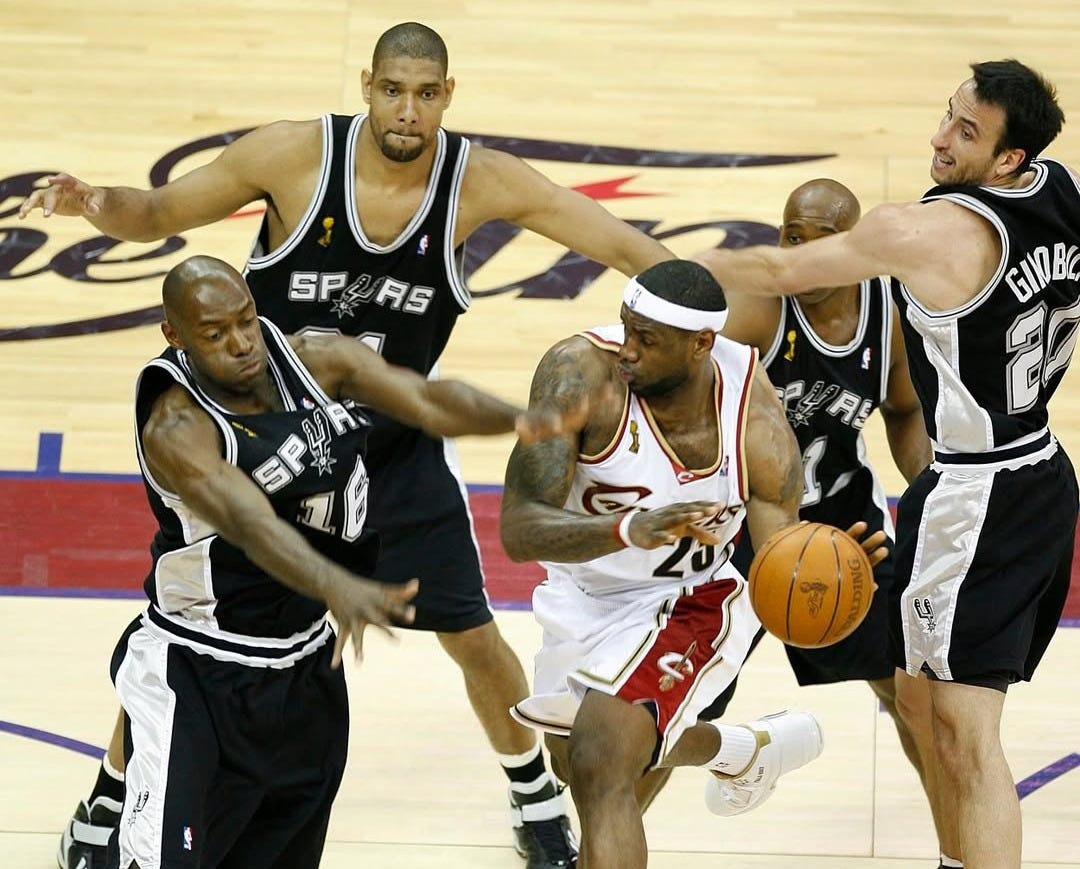
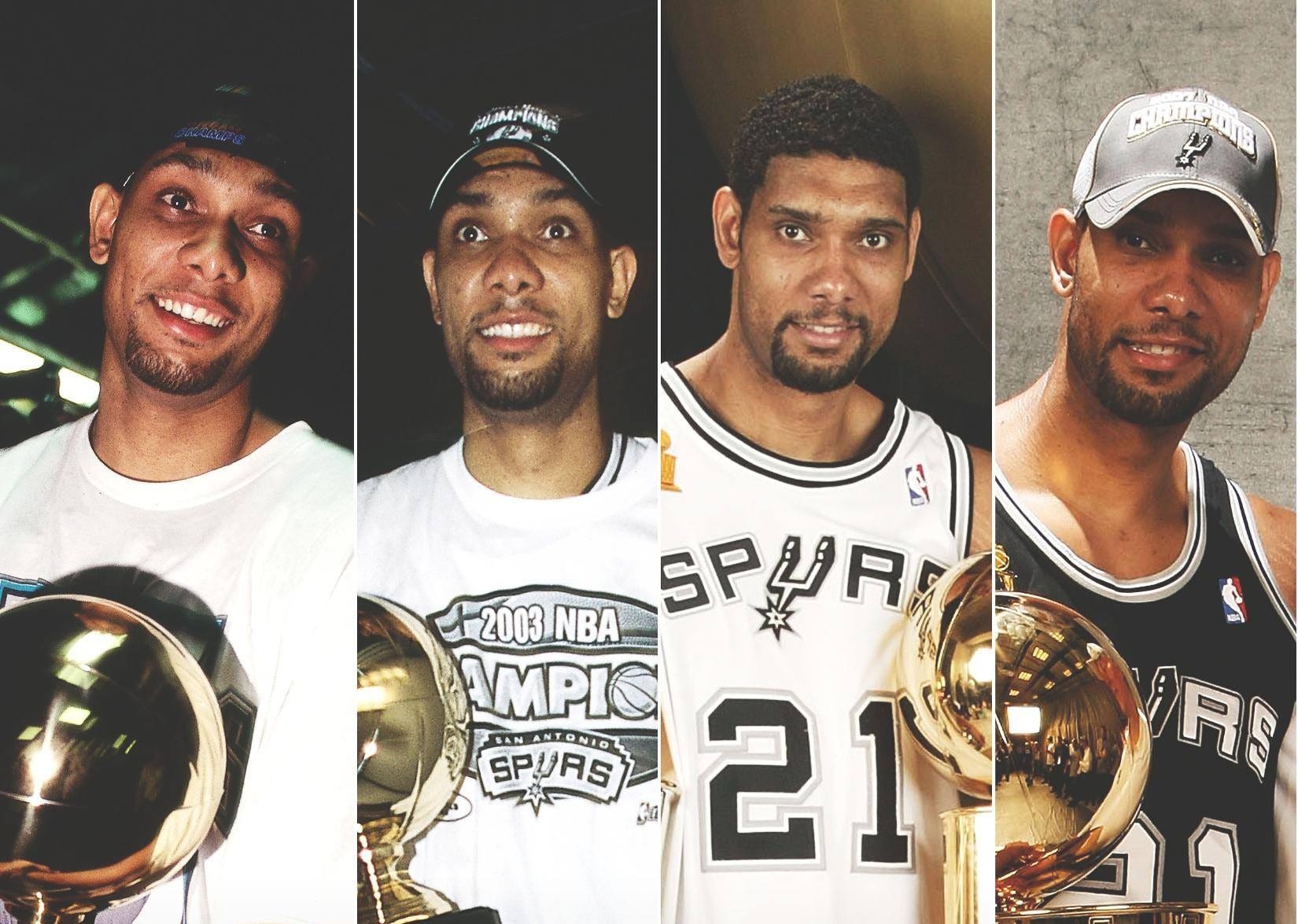
I’d long treated the NBA like a morality play with absolute good and evil. Tim Duncan was a childhood hero—and the first jersey I begged my parents for—for taking down Shaq and Kobe in 2003. They were bad; therefore he was good. But four years later, the thought of cheering on Duncan’s San Antonio Spurs as they bullied an overmatched 22-year-old in a humiliating Finals sweep felt…if not bad, then certainly ugly. The coming years would confirm this new perspective: characterization of heroism and villainy in professional sports is context-dependent.
Perception of LeBron James over the years would be directly and inversely related to how much superstar help he had—a hero when he stood alone, a coward when he sought support. Dirk Nowitzki’s standing was tied to whether or not his shot was falling—a laughingstock for his 2007 playoff collapse, but our absolute huckleberry in the Mavericks’ 2011 title run. In the same way, Tim Duncan and the steady Spurs’ reputation depended entirely on the quality of their opponent. During the league’s fallow periods, their dark, colorless jerseys might as well have been a black hat, but whenever new dynasties threatened competitive balance, that silver star in their logo would start to gleam with the righteous authority of a sheriff’s badge again.
By definition, phases end. I’d eventually add my cowboy button-downs to the donate pile, but not before gleaning one last piece of western wisdom: righteous lawman or opportunistic bounty hunter, the protagonist always rides off into the sunset at the end. As the credits finally rolled on the NBA’s wilderness years, the silhouette disappearing over the horizon was once again Tim Duncan’s, his saddlebags bulging with a fourth championship trophy, the color of his wardrobe irrelevant, backlit by the setting sun.